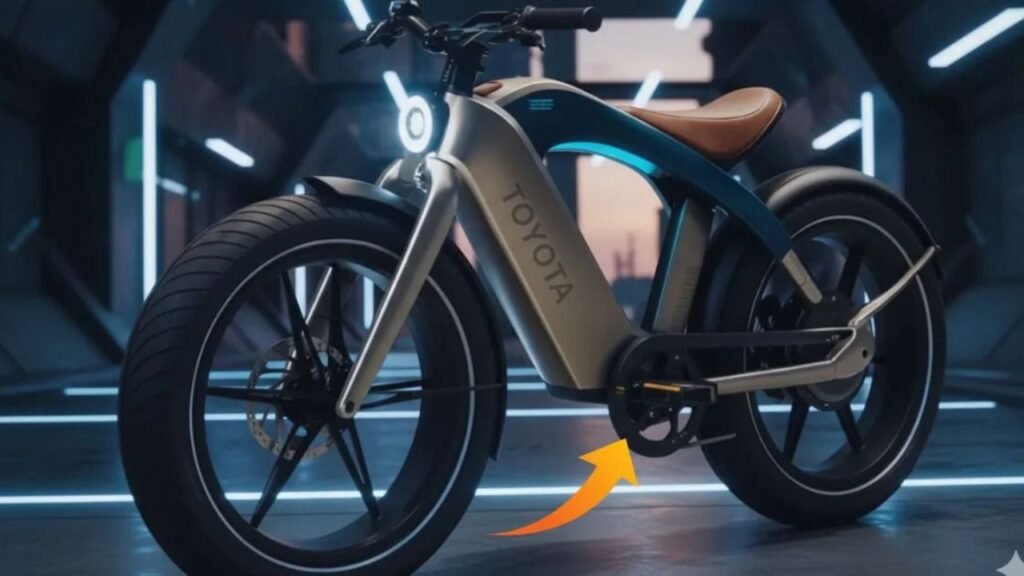

The Toyota Electric Cycle 2025 represents a fresh and thoughtful step toward the future of urban transportation. As cities across India and the world struggle with traffic congestion, rising fuel prices, limited parking, and growing pollution, the idea of compact, clean, and affordable mobility has never been more relevant. Toyota, a brand globally trusted for reliability and long-term engineering excellence, is now exploring micromobility through electric cycles, and this move could redefine how short-distance commuting is done.
Unlike electric scooters or motorcycles, an electric cycle focuses on simplicity. It blends human pedalling with electric assistance, offering an efficient, eco-friendly, and cost-effective solution for daily city travel. The Toyota Electric Cycle 2025 is not about speed thrills; it is about smart movement, sustainability, and convenience for modern urban lifestyles.
Why Toyota Is Entering the Micromobility Space
Toyota has long been a pioneer in hybrid and electric technology. From hybrid cars to hydrogen fuel-cell vehicles, Toyota has consistently invested in future-ready mobility. Entering the electric cycle segment aligns perfectly with its broader vision of “mobility for all.”
In recent years, Toyota has shown interest in micromobility solutions, especially in Europe, where it collaborated with bicycle manufacturers to develop cargo e-bikes for urban deliveries. The Toyota Electric Cycle 2025 appears to be an extension of this strategy, aimed not just at private users but also at creating a flexible mobility ecosystem where bicycles, electric vehicles, and shared transport coexist.
For countries like India, where a large population travels short distances daily, an electric cycle backed by Toyota’s engineering could fill a major gap between traditional bicycles and petrol-powered two-wheelers.
What Is the Toyota Electric Cycle 2025 All About?
The Toyota Electric Cycle 2025 is expected to be a pedal-assist electric bicycle rather than a high-powered electric bike. This means the electric motor supports pedalling instead of fully replacing it. Such a design keeps the vehicle lightweight, legally simpler, and more energy efficient.
While official specifications are still limited, early teasers and global reports suggest that Toyota is focusing on:
- Urban-friendly design
- Pedal-assist electric motor
- Smart battery integration
- Affordable and accessible pricing
- Low maintenance and high durability
The goal seems clear: make daily commuting easier, cleaner, and cheaper.
Design Philosophy: Clean, Practical, and Urban-Friendly
Toyota is known for functional and durable design rather than flashy styling. The Toyota Electric Cycle 2025 is expected to follow the same philosophy. Instead of bulky frames or aggressive looks, the design is likely to be minimal, modern, and practical.
Key expected design elements include:

- A lightweight yet strong frame
- Upright riding posture for comfort
- Slim body for easy navigation in traffic
- Detachable or integrated battery design
- Ergonomic seat and handlebar placement
Such a layout makes the electric cycle suitable for students, office commuters, delivery riders, and even senior citizens who prefer a relaxed riding position.
Also Read – 2026 Land Rover Defender: New Design, Smarter Technology, Stronger Engines & Next-Gen Off-Road Performance
Pedal-Assist Technology: The Heart of Toyota Electric Cycle 2025
At the core of the Toyota Electric Cycle 2025 is pedal-assist technology. This system uses sensors to detect pedalling effort and provides electric support accordingly. The harder you pedal, the more assistance you receive.
Benefits of pedal-assist include:
- Reduced physical strain
- Better control compared to throttle-based bikes
- Higher riding range
- Improved safety at lower speeds
For Indian city conditions, where traffic is unpredictable and stop-and-go riding is common, pedal-assist makes commuting smoother and less tiring without removing the cycling experience completely.
Battery, Range, and Charging: Realistic Expectations
Some online claims suggest extremely high ranges, but realistically, an electric cycle’s practical range depends on riding mode, rider weight, terrain, and traffic conditions. For the Toyota Electric Cycle 2025, a real-world range of 50 to 120 km per charge would already be impressive and practical for urban use.
Expected battery-related highlights:
- Lithium-ion battery for long life
- Optimised energy management
- Easy charging at home or office
- Detachable battery for convenience
- Focus on safety and thermal stability
Toyota’s strength in battery management systems could play a big role here, ensuring consistent performance over years of usage.
Smart Connectivity and Digital Features
Given Toyota’s push toward connected mobility, the Toyota Electric Cycle 2025 may include basic smart features that enhance usability without complicating the experience.
Possible smart features include:



- Digital display showing speed, range, and battery status
- Smartphone app connectivity
- Ride statistics and trip tracking
- Battery health monitoring
- Service reminders
These features would especially appeal to young users who want a modern, tech-friendly commuting solution.
Why Toyota Electric Cycle 2025 Makes Sense for India
India is one of the world’s largest two-wheeler markets, but fuel prices, pollution rules, and traffic congestion are pushing users to look for alternatives. The Toyota Electric Cycle 2025 fits perfectly into this changing scenario.
Key reasons it suits Indian conditions:
- Zero fuel cost
- Very low running and maintenance cost
- No dependence on charging infrastructure like EV cars
- Easy parking even in crowded areas
- Environment-friendly daily commuting
For short distances like office commutes, college travel, market visits, and last-mile connectivity, an electric cycle can be far more practical than a scooter or car.
Cost and Affordability: A Crucial Factor
Affordability will decide the success of the Toyota Electric Cycle 2025. While some early listings mention very low prices, actual pricing will depend on region, battery size, and features.
If Toyota positions this electric cycle in a budget-friendly to mid-range segment, it could attract:
- Students
- First-time electric vehicle users
- Budget-conscious families
- Urban professionals
- Delivery and service riders
Toyota’s wide service network and brand trust would further strengthen buyer confidence.
Maintenance, Reliability, and Ownership Experience
One of Toyota’s biggest strengths is long-term reliability. The Toyota Electric Cycle 2025 is expected to follow the same philosophy with:
- Fewer moving parts than petrol vehicles
- Simple mechanical components
- Durable electrical systems
- Low servicing requirements
Electric cycles generally cost very little to maintain, and with Toyota’s quality standards, ownership could be almost stress-free.
Things to Consider Before Buying
While the Toyota Electric Cycle 2025 looks promising, buyers should still evaluate a few factors before making a decision:

- Real-world riding range
- Battery warranty and replacement cost
- Availability of service centres
- Local regulations regarding electric cycles
- Suitability for daily travel distance
An electric cycle works best for short to medium distances, so understanding your own commuting needs is important.
The Bigger Picture: Toyota’s Vision for Urban Mobility
The Toyota Electric Cycle 2025 is not just a product; it is a signal of Toyota’s evolving mobility vision. Instead of focusing only on cars, Toyota is looking at how people actually move in cities.
By promoting electric cycles, Toyota supports:
- Reduced urban emissions
- Less traffic congestion
- Healthier lifestyles
- Affordable mobility solutions
This aligns perfectly with global sustainability goals and India’s push toward cleaner transportation.
Final Verdict: Is Toyota Electric Cycle 2025 Worth Watching?
The Toyota Electric Cycle 2025 offers a realistic and practical approach to modern urban commuting. It bridges the gap between traditional bicycles and motorised vehicles, offering the best of both worlds.
If Toyota delivers:
- Reliable build quality
- Practical riding range
- Smart but simple features
- Competitive pricing
then this electric cycle could become a popular choice for city riders who want clean, quiet, and economical transportation.
For Indian users looking for a sustainable daily ride without the hassle of fuel, insurance complexity, or high maintenance, the Toyota Electric Cycle 2025 is definitely worth keeping an eye on as official launch details emerge.
Some Important Link
| Download News APP | Click Here |
| WhatsApp Group | Click Here |
| Home Page | Click Here |